
Introduction:
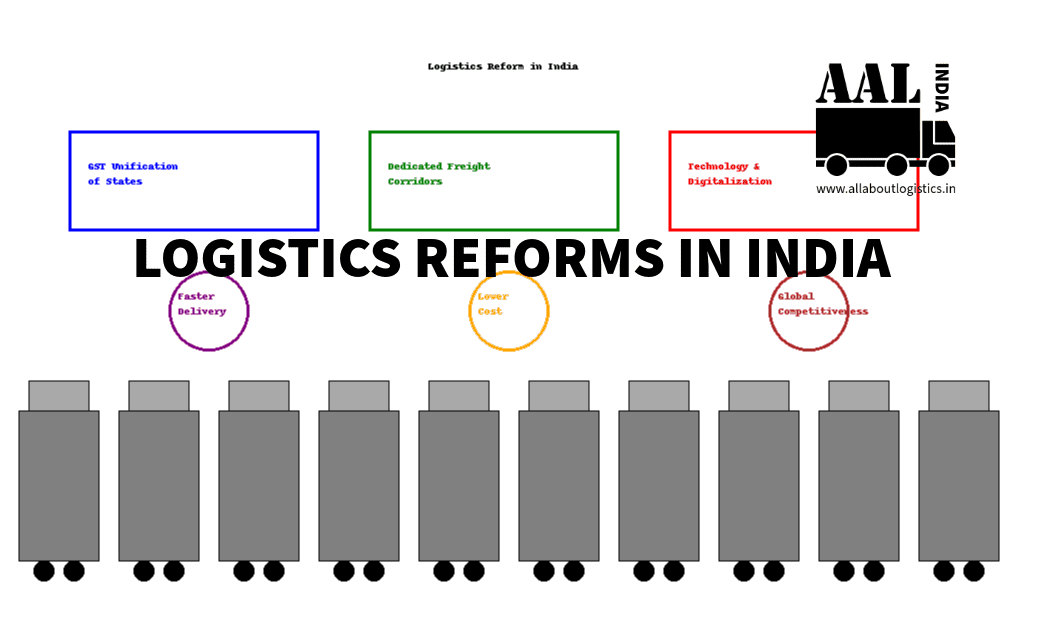
India’s ambitious journey toward becoming a $5 trillion economy by 2025 and a developed nation by 2047 necessitates a fundamental transformation of its infrastructure and logistics ecosystem. The launch of PM Gati Shakti – National Master Plan for Multi-modal Connectivity in October 2021, followed by the National Logistics Policy (NLP) in September 2022, represents perhaps the most comprehensive infrastructure and logistics reform initiative in India’s post-independence history. These initiatives address what had become a critical impediment to economic growth: high logistics costs estimated at 13-14% of GDP (compared to 8-11% in major global economies) and infrastructure deficiencies that created inefficiencies across sectors.
भारत की 2025 तक 5 ट्रिलियन डॉलर की अर्थव्यवस्था और 2047 तक एक विकसित राष्ट्र बनने की महत्वाकांक्षी यात्रा के लिए इसके बुनियादी ढांचे और रसद पारिस्थितिकी तंत्र में मौलिक परिवर्तन की आवश्यकता है। अक्टूबर 2021 में पीएम गति शक्ति – राष्ट्रीय मल्टी-मोडल कनेक्टिविटी मास्टर प्लान और उसके बाद सितंबर 2022 में राष्ट्रीय लॉजिस्टिक्स नीति (एनएलपी) का शुभारंभ, भारत के स्वतंत्रता-पश्चात के इतिहास में शायद सबसे व्यापक बुनियादी ढांचा और रसद सुधार पहल का प्रतिनिधित्व करता है। यह पहल उस महत्वपूर्ण बाधा को दूर करती है जो आर्थिक विकास में रुकावट बन गई थी: उच्च लॉजिस्टिक्स लागत जो सकल घरेलू उत्पाद (जीडीपी) का अनुमानित 13-14% थी (जबकि प्रमुख वैश्विक अर्थव्यवस्थाओं में यह 8-11% है) और बुनियादी ढांचे की कमियां जिन्होंने सभी क्षेत्रों में अक्षमता पैदा की थी।
The fundamental insight driving these policies is that logistics is not merely a transportation issue but the nervous system of the entire economy, directly impacting manufacturing competitiveness, agricultural productivity, export performance, and ultimately consumer prices. The Government of India recognized that without addressing the structural challenges in planning, coordination, and execution of infrastructure projects, India’s economic ambitions would remain constrained.
इन नीतियों को प्रेरित करने वाली मौलिक अंतर्दृष्टि यह है कि रसद केवल एक परिवहन मुद्दा नहीं है बल्कि पूरी अर्थव्यवस्था की तंत्रिका तंत्र है, जो सीधे तौर पर विनिर्माण प्रतिस्पर्धात्मकता, कृषि उत्पादकता, निर्यात प्रदर्शन और अंततः उपभोक्ता मूल्यों को प्रभावित करती है। भारत सरकार ने पहचाना कि बुनियादी ढांचा परियोजनाओं की योजना, समन्वय और निष्पादन में संरचनात्मक चुनौतियों का समाधान किए बिना, भारत की आर्थिक महत्वाकांक्षाएं सीमित रहेंगी।
PM Gati Shakti – The National Master Plan: Architectural Framework
PM Gati Shakti represents a paradigm shift in how infrastructure is conceived, planned, and implemented in India. Traditionally, infrastructure development suffered from departmental silos, where ministries and agencies worked without coordination, leading to inefficiencies such as newly constructed roads being dug up repeatedly for laying underground cables, pipelines, and other utilities. This approach not only caused public inconvenience but also resulted in massive wasteful expenditure and project delays.
पीएम गति शक्ति उस पैराडाइम शिफ्ट का प्रतिनिधित्व करता है कि भारत में बुनियादी ढांचे की कल्पना, योजना और कार्यान्वयन कैसे किया जाता है। पारंपरिक रूप से, बुनियादी ढांचे के विकास को विभागीय साइलो (अलग-थलग काम करने) से नुकसान उठाना पड़ता था, जहां मंत्रालय और एजेंसियां समन्वय के बिना काम करते थे, जिससे अक्षमताएं पैदा होती थीं जैसे कि नई बनी सड़कों को भूमिगत केबल, पाइपलाइन और अन्य उपयोगिताओं को बिछाने के लिए बार-बार खोदा जाना। इस दृष्टिकोण ने न केवल जनता को असुविधा पहुंचाई बल्कि इसके परिणामस्वरूप भारी व्यर्थ व्यय और परियोजना में देरी भी हुई।
The Gati Shakti master plan addresses these challenges through a whole-of-government approach that brings together 16 ministries and departments including Railways, Road Transport & Highways, Ports, Shipping and Waterways, and Petroleum & Natural Gas on a single digital platform. The vision is to create integrated and seamless connectivity for movement of people, goods and services from one mode of transport to another, facilitating last-mile connectivity and reducing travel time.
गति शक्ति मास्टर प्लान एक सम्पूर्ण-सरकारी दृष्टिकोण के माध्यम से इन चुनौतियों का समाधान करता है जो रेलवे, सड़क परिवहन और राजमार्ग, बंदरगाह, पोत परिवहन और जलमार्ग, और पेट्रोलियम और प्राकृतिक गैस सहित 16 मंत्रालयों और विभागों को एक एकल डिजिटल प्लेटफॉर्म पर लाता है। इसका विजन लोगों, सामानों और सेवाओं की आवाजाही के लिए एकीकृत और निर्बाध कनेक्टिविटी बनाना है ताकि एक परिवहन मोड से दूसरे मोड में आसानी से movement हो सके, last-mile कनेक्टिविटी को सुगम बनाया जा सके और यात्रा के समय को कम किया जा सके।
National Logistics Policy: Complementing Physical Infrastructure with Process Reforms
While PM Gati Shakti focuses primarily on physical infrastructure, the National Logistics Policy (NLP) addresses the procedural, regulatory, and digital dimensions of India’s logistics ecosystem. Launched in September 2022, the NLP aims to reduce India’s logistics costs from 13-14% to 8-10% of GDP, improve India’s ranking in the Logistics Performance Index (LPI) to among the top 25 countries by 2030, and create a data-driven decision support system.
जहां पीएम गति शक्ति मुख्य रूप से भौतिक बुनियादी ढांचे पर केंद्रित है, वहीं राष्ट्रीय लॉजिस्टिक्स नीति (एनएलपी) भारत के रसद पारिस्थितिकी तंत्र के प्रक्रियात्मक, नियामक और डिजिटल आयामों को संबोधित करती है। सितंबर 2022 में लॉन्च की गई एनएलपी का लक्ष्य भारत की रसद लागत को जीडीपी के 13-14% से घटाकर 8-10% करना, लॉजिस्टिक्स परफॉर्मेंस इंडेक्स (एलपीआई) में भारत की रैंकिंग को 2030 तक शीर्ष 25 देशों में शामिल करना और एक डेटा-संचालित निर्णय समर्थन प्रणाली बनाना है।
The economic imperative for the NLP is compelling. India’s logistics sector is valued at approximately $200 billion with 4.6 billion tons of freight transported annually. The modal mix remains suboptimal with 65% moved by road (versus 27% by rail), which is significantly more expensive and less efficient. Last-mile delivery alone accounts for approximately 40% of total logistics costs, highlighting the critical need for integrated multimodal solutions.
एनएलपी के लिए आर्थिक अनिवार्यता प्रबल है। भारत का रसद क्षेत्र लगभग 200 अरब डॉलर का है जिसमें हर साल 4.6 अरब टन माल का परिवहन होता है। परिवहन के साधनों का मिश्रण (modal mix) अभी भी उप-इष्टतम है, जिसमें 65% माल सड़क मार्ग से (बनाम 27% रेल द्वारा) ले जाया जाता है, जो काफी महंगा और कम कुशल है। अकेले लास्ट-माइल डिलीवरी कुल रसद लागत का लगभग 40% हिस्सा है, जो एकीकृत मल्टी-मोडल समाधानों की महत्वपूर्ण आवश्यकता को उजागर करता है।
Synergistic Implementation: How Gati Shakti and NLP Work Together
The implementation of both PM Gati Shakti and the NLP is guided by a sophisticated three-tier institutional framework under the logistics division of the Department for Promotion of Industry and Internal Trade (DPIIT). This includes an Empowered Group of Secretaries (EGoS) for high-level monitoring, a Network Planning Group (NPG) for unified planning, and a Technical Support Unit (TSU) for providing technical assistance.
पीएम गति शक्ति और एनएलपी दोनों के कार्यान्वयन का मार्गदर्शन उद्योग और आंतरिक व्यापार संवर्धन विभाग (डीपीआईआईटी) के रसद प्रभाग के तहत एक परिष्कृत तीन-स्तरीय संस्थागत ढांचा द्वारा किया जाता है। इसमें उच्च-स्तरीय निगरानी के लिए एक सशक्त सचिवों का समूह (ईजीओएस), एकीकृत योजना के लिए एक नेटवर्क प्लानिंग ग्रुप (एनपीजी) और तकनीकी सहायता प्रदान करने के लिए एक तकनीकी सहायता इकाई (टीएसयू) शामिल है।
This institutional structure ensures that projects are conceived, planned, and executed with a holistic perspective rather than through the narrow lens of individual ministries or departments. By breaking down traditional silos, this framework addresses the fundamental coordination challenges that have historically plagued infrastructure development in India.
यह संस्थागत संरचना यह सुनिश्चित करती है कि परियोजनाओं की कल्पना, योजना और निष्पादन समग्र परिप्रेक्ष्य के साथ किया जाए न कि व्यक्तिगत मंत्रालयों या विभागों के संकीर्ण दृष्टिकोण से। पारंपरिक साइलो को तोड़कर, यह ढांचा उन मौलिक समन्वय चुनौतियों का समाधान करता है जिन्होंने ऐतिहासिक रूप से भारत में बुनियादी ढांचे के विकास को प्रभावित किया है।
Economic Impact and Strategic Benefits
The primary economic benefit of these integrated initiatives is the substantial reduction in logistics costs, which directly enhances the international competitiveness of Indian goods. According to World Bank estimates, high logistics costs represent a $180 billion competitiveness gap for India. A 1% reduction in logistics costs is estimated to boost exports by approximately $10 billion, giving a significant boost to Indian manufacturing and trade.
इन एकीकृत पहलों का प्राथमिक आर्थिक लाभ रसद लागत में substantial कमी है, जो सीधे तौर पर भारतीय वस्तुओं की अंतर्राष्ट्रीय प्रतिस्पर्धात्मकता को बढ़ाता है। विश्व बैंक के अनुमानों के अनुसार, उच्च रसद लागत भारत के लिए 180 अरब डॉलर की प्रतिस्पर्धात्मकता अंतर का प्रतिनिधित्व करती है। रसद लागत में 1% की कमी से निर्यात में लगभग 10 अरब डॉलर की वृद्धि का अनुमान है, जो भारतीय विनिर्माण और व्यापार को एक significant बढ़ावा देगा।
Beyond cost, these policies are strategic enablers for job creation, attracting foreign investment, and improving ease of living and doing business. Efficient logistics mean faster delivery of goods, reduced spoilage of agricultural produce, and lower costs for consumers, creating a virtuous cycle of economic growth and development.
लागत से परे, ये नीतियां रोजगार सृजन, विदेशी निवेश को आकर्षित करने और रहने और व्यवसाय करने में आसानी में सुधार के लिए रणनीतिक सहायक हैं। कुशल रसद का मतलब है माल की तेज डिलीवरी, कृषि उपज के बिगड़ने में कमी, और उपभोक्ताओं के लिए कम लागत, जिससे आर्थिक विकास और विकास का एक virtuous cycle बनता है।
Progress Achieved and Future Outlook
Significant progress has already been made. The Unified Logistics Interface Platform (ULIP) has integrated 33 systems across 10 Ministries, providing a single-window access for all digital services. Over 1.6 billion API calls have been processed, demonstrating high industry adoption. The Logistics Data Bank project has drastically reduced cargo turnaround times at major ports from 44 hours to under 26 hours.
पहले से ही significant प्रगति हुई है। यूनिफाइड लॉजिस्टिक्स इंटरफेस प्लेटफॉर्म (ULIP) ने 10 मंत्रालयों में 33 systems को एकीकृत किया है, जो सभी डिजिटल सेवाओं के लिए single-window access प्रदान करता है। 1.6 अरब से अधिक API calls processed की गई हैं, जो उद्योग के high adoption को प्रदर्शित करता है। लॉजिस्टिक्स डेटा बैंक परियोजना ने प्रमुख बंदरगाहों पर cargo turnaround time को 44 घंटे से घटाकर 26 घंटे से कम कर दिया है।
The future outlook involves deeper integration of Artificial Intelligence (AI) and Machine Learning (ML) for predictive analytics in logistics planning, greater emphasis on green logistics for sustainable development, and continued focus on skill development to create a future-ready workforce for this rapidly modernizing sector.
भविष्य की outlook में logistics planning में predictive analytics के लिए आर्टिफिशियल इंटेलिजेंस (AI) और मशीन लर्निंग (ML) का deeper integration, sustainable development के लिए green logistics पर अधिक जोर, और इस तेजी से आधुनिक हो रहे क्षेत्र के लिए भविष्य के लिए तैयार workforce बनाने के लिए skill development पर निरंतर focus शामिल है।
Conclusion: A Foundational Transformation
In conclusion, PM Gati Shakti and the National Logistics Policy are not just infrastructure programs but foundational reforms that are reshaping India’s economic geography. By integrating digital technology with physical infrastructure and process reform, they are creating a synergistic ecosystem that will drive efficiency, reduce costs, and enhance competitiveness for decades to come. This holistic approach positions India to not only meet its domestic economic goals but also to become a pivotal player in global supply chains.
निष्कर्ष के तौर पर, पीएम गति शक्ति और राष्ट्रीय लॉजिस्टिक्स नीति केवल बुनियादी ढांचा कार्यक्रम नहीं हैं बल्कि मौलिक सुधार हैं जो भारत के आर्थिक भूगोल को फिर से आकार दे रहे हैं। भौतिक बुनियादी ढांचे और प्रक्रिया सुधार के साथ डिजिटल प्रौद्योगिकी को एकीकृत करके, वे एक synergistic ecosystem बना रहे हैं जो efficiency को बढ़ावा देगा, लागत कम करेगा और आने वाले दशकों तक प्रतिस्पर्धात्मकता बढ़ाएगा। यह समग्र दृष्टिकोण भारत को न केवल अपने घरेलू आर्थिक लक्ष्यों को पूरा करने के लिए positioning देता है बल्कि वैश्विक आपूर्ति श्रृंखलाओं में एक pivotal player बनने के लिए भी तैयार करता है।
PM Gati Shakti and India’s National Logistics Policy 10 interview Questions & answers :
1. What is the primary objective of the PM Gati Shakti initiative?
The primary objective of PM Gati Shakti is to break down departmental silos and create a comprehensive, integrated infrastructure plan for India. It aims to ensure holistic planning and execution of projects, bringing together 16 ministries on a single digital platform to enable seamless multimodal connectivity and reduce logistics costs.
1. पीएम गति शक्ति पहल का प्राथमिक उद्देश्य क्या है?
पीएम गति शक्ति का प्राथमिक उद्देश्य विभागीय साइलो को तोड़ना और भारत के लिए एक व्यापक, एकीकृत बुनियादी ढांचा योजना बनाना है। इसका लक्ष्य परियोजनाओं की समग्र योजना और निष्पादन सुनिश्चित करना है, जो 16 मंत्रालयों को एक एकल डिजिटल प्लेटफॉर्म पर लाता है ताकि सहज मल्टी-मोडल कनेक्टिविटी को सक्षम किया जा सके और रसद लागत को कम किया जा सके।
2. How does the National Logistics Policy (NLP) complement PM Gati Shakti?
While PM Gati Shakti focuses on physical infrastructure integration, the National Logistics Policy addresses the procedural, regulatory, and digital reforms needed in the logistics sector. The NLP focuses on reducing logistics costs as a percentage of GDP, improving India’s global ranking, and creating a data-driven ecosystem through digital platforms like ULIP.
2. राष्ट्रीय लॉजिस्टिक्स नीति (एनएलपी) पीएम गति शक्ति का कैसे समर्थन करती है?
जहां पीएम गति शक्ति भौतिक बुनियादी ढांचे के एकीकरण पर केंद्रित है, वहीं राष्ट्रीय लॉजिस्टिक्स नीति रसद क्षेत्र में आवश्यक प्रक्रियात्मक, नियामक और डिजिटल सुधारों को संबोधित करती है। एनएलपी जीडीपी के प्रतिशत के रूप में रसद लागत को कम करने, भारत की वैश्विक रैंकिंग में सुधार करने और यूएलआईपी जैसे डिजिटल प्लेटफॉर्म के माध्यम से एक डेटा-संचालित पारिस्थितिकी तंत्र बनाने पर केंद्रित है।
3. Name a key digital platform launched under these policies and its function.
A key digital platform is the Unified Logistics Interface Platform (ULIP). Its function is to integrate digital services from over 30 different systems across multiple ministries into a single window. This provides a seamless information exchange for stakeholders, simplifying processes and improving visibility for the entire logistics chain.
3. इन नीतियों के तहत लॉन्च किए गए एक प्रमुख डिजिटल प्लेटफॉर्म और उसके कार्य का नाम बताएं।
एक प्रमुख डिजिटल प्लेटफॉर्म यूनिफाइड लॉजिस्टिक्स इंटरफेस प्लेटफॉर्म (यूएलआईपी) है। इसका कार्य कई मंत्रालयों में 30 से अधिक विभिन्न systems से डिजिटल सेवाओं को एक single window में एकीकृत करना है। यह हितधारकों के लिए एक सहज सूचना आदान-प्रदान प्रदान करता है, प्रक्रियाओं को सरल बनाता है और पूरी रसद श्रृंखला के लिए दृश्यता में सुधार करता है।
4. What was the major challenge in infrastructure development that Gati Shakti aims to solve?
The major challenge was the lack of coordination between different ministries and departments. This led to inefficiencies like roads being dug up multiple times by different agencies for water, gas, or optical fiber lines, causing project delays, wasteful expenditure, and public inconvenience. Gati Shakti solves this through integrated planning.
4. बुनियादी ढांचे के विकास में प्रमुख चुनौती क्या थी जिसे गति शक्ति हल करना चाहती है?
प्रमुख चुनौती विभिन्न मंत्रालयों और विभागों के बीच समन्वय की कमी थी। इसके कारण अक्षमताएं पैदा हुईं, जैसे कि पानी, गैस या ऑप्टिकल फाइबर लाइनों के लिए अलग-अलग एजेंसियों द्वारा सड़कों को बार-बार खोदा जाना, जिससे परियोजना में देरी, व्यर्थ व्यय और जनता को असुविधा होती थी। गति शक्ति एकीकृत योजना के माध्यम से इसे हल करती है।
5. What is the target set by the NLP for India’s logistics cost as a percentage of GDP?
The National Logistics Policy aims to reduce India’s logistics cost from the estimated 13-14% of GDP to a much more competitive 8-10% of GDP. This reduction is crucial for enhancing the global competitiveness of Indian goods and attracting foreign investment.
5. जीडीपी के प्रतिशत के रूप में भारत की रसद लागत के लिए एनएलपी द्वारा निर्धारित लक्ष्य क्या है?
राष्ट्रीय लॉजिस्टिक्स नीति का लक्ष्य भारत की रसद लागत को अनुमानित 13-14% से घटाकर अधिक प्रतिस्पर्धी 8-10% करना है। यह कमी भारतीय वस्तुओं की वैश्विक प्रतिस्पर्धात्मकता बढ़ाने और विदेशी निवेश आकर्षित करने के लिए महत्वपूर्ण है।
6. How does the Gati Shakti platform use technology for planning?
The Gati Shakti platform uses a advanced Geographic Information System (GIS) technology. It integrates over 200 layers of data, including maps of existing infrastructure like roads, railways, utilities, and forest areas, with planned projects. This enables spatial planning, helps identify the most optimal routes, and avoids conflicts or overlaps between projects of different departments.
6. गति शक्ति प्लेटफॉर्म योजना के लिए प्रौद्योगिकी का उपयोग कैसे करता है?
गति शक्ति प्लेटफॉर्म एक उन्नत ज्योग्राफिक इनफार्मेशन सिस्टम (जीआईएस) तकनीक का उपयोग करता है। यह सड़कों, रेलवे, उपयोगिताओं और वन क्षेत्रों जैसे मौजूदा बुनियादी ढांचे के मानचित्रों को planned परियोजनाओं के साथ 200 से अधिक डेटा परतों को एकीकृत करता है। यह स्थानिक योजना को सक्षम बनाता है, सबसे best routes की पहचान करने में मदद करता है और विभिन्न विभागों की परियोजनाओं के बीच conflicts से बचता है।
7. What is the significance of the LEADS report in the context of the NLP?
The Logistics Ease Across Different States (LEADS) report is an annual survey that ranks states and union territories on the efficiency of their logistics ecosystem. It is significant because it fosters healthy competition among states to improve their infrastructure, policies, and processes, thereby driving nationwide improvements in logistics performance.
7. एनएलपी के संदर्भ में LEADS रिपोर्ट का क्या महत्व है?
लॉजिस्टिक्स ईज अक्रॉस डिफरेंट स्टेट्स (LEADS) रिपोर्ट एक annual survey है जो राज्यों और केंद्र शासित प्रदेशों को उनके रसद पारिस्थितिकी तंत्र की दक्षता के आधार पर rank करती है। इसका महत्व इसलिए है क्योंकि यह राज्यों के बीच अपने बुनियादी ढांचे, नीतियों और processes में सुधार के लिए healthy competition को बढ़ावा देती है, जिससे रसद प्रदर्शन में देशव्यापी सुधार होता है।
8. What is meant by a ‘multimodal’ approach in logistics?
A ‘multimodal’ approach refers to the seamless integration of different modes of transportation—such as road, rail, air, and waterways—for moving goods. Instead of each mode working in isolation, they are planned to work together. This allows goods to be transported using the most efficient and cost-effective combination of transport modes for different legs of the journey.
8. रसद में ‘मल्टीमोडल’ दृष्टिकोण से क्या तात्पर्य है?
एक ‘मल्टीमोडल’ दृष्टिकोण का अर्थ है माल की ढुलाई के लिए परिवहन के विभिन्न modes—जैसे सड़क, रेल, वायु और जलमार्ग—का सहज एकीकरण। प्रत्येक mode के अलग-अलग काम करने के बजाय, उन्हें एक साथ काम करने की योजना बनाई जाती है। यह माल को यात्रा के different legs के लिए परिवहन modes के सबसे कुशल और cost-effective combination का उपयोग करके transported करने की अनुमति देता है।
9. How will these policies benefit the common citizen?
The common citizen will benefit through reduced prices of goods as logistics costs decrease, faster delivery of products, especially in e-commerce, and potentially better quality of agricultural produce due to reduced spoilage during transit. Improved infrastructure also leads to smoother travel and overall economic development that creates more job opportunities.
9. ये नीतियां आम नागरिक को कैसे लाभान्वित करेंगी?
आम नागरिक को वस्तुओं की कीमतों में कमी के माध्यम से लाभ होगा क्योंकि रसद लागत घटती है, उत्पादों की तेज डिलीवरी, विशेष रूप से ई-कॉमर्स में, और transit के दौरान खराब होने में कमी के कारण कृषि उपज की बेहतर गुणवत्ता। बेहतर बुनियादी ढांचा smoother travel और overall economic development की ओर भी जाता है जो अधिक रोजगार के अवसर पैदा करता है।
10. What role does sustainability play in these policies?
Sustainability is an integral part of these policies. By promoting a shift from road to more energy-efficient modes like railways and inland waterways, the policies aim to reduce the carbon footprint of logistics. The focus on optimal route planning also minimizes fuel consumption. Furthermore, the future outlook includes a specific emphasis on ‘green logistics’ for sustainable development.
10. इन नीतियों में sustainability की क्या भूमिका है?
Sustainability इन नीतियों का एक integral part है। सड़क से अधिक energy-efficient modes जैसे रेलवे और inland waterways में बदलाव को बढ़ावा देकर, ये नीतियां रसद के carbon footprint को कम करने का लक्ष्य रखती हैं। best route planning पर focus भी fuel consumption को कम करता है। इसके अलावा, भविष्य की outlook में sustainable development के लिए ‘green logistics’ पर विशेष जोर शामिल है।
Feedback & Comments:
If you have any questions about this article or would like to share your thoughts, please leave a comment in the section below.
Disclaimer:
This article has been prepared after thorough research and study. We strive for accuracy in all our content. However, if you notice any errors, please help us improve them by pointing them out in the comment box.