
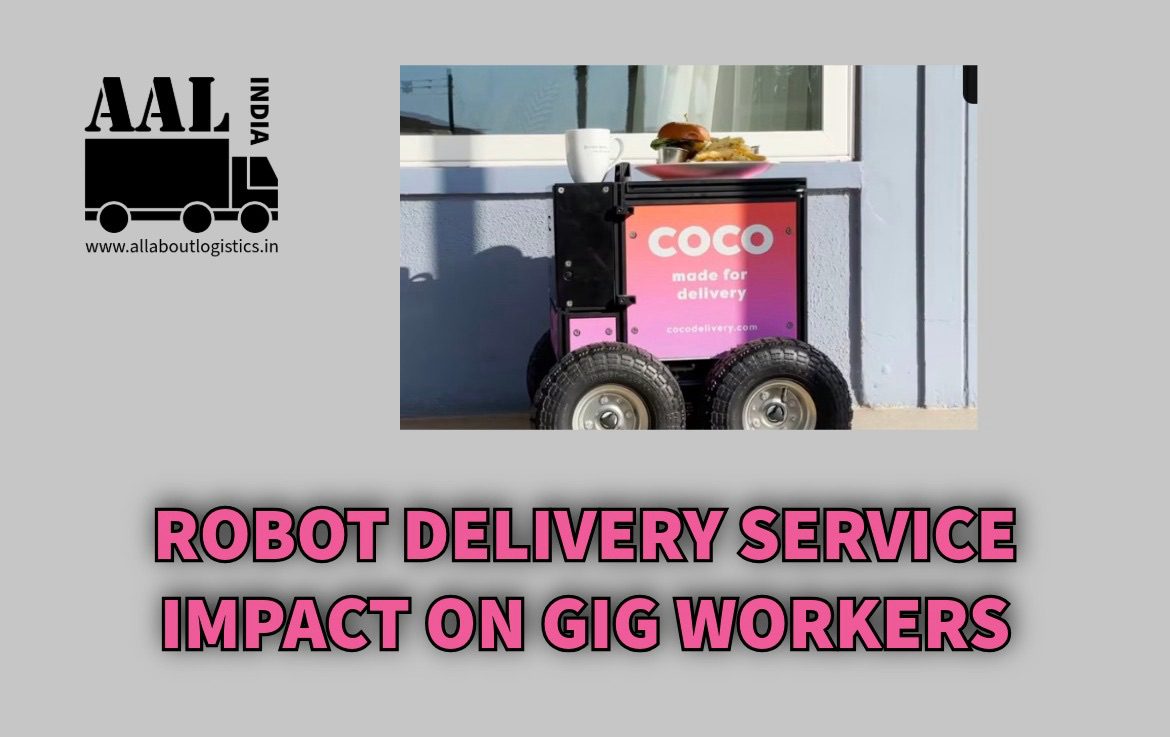
Coco Robot Delivery Service: Revolutionizing Last-Mile Logistics
Coco Robotics is transforming last-mile delivery through compact autonomous sidewalk robots designed primarily for food and grocery transport in dense urban environments. Founded in 2020, the company has already completed over 500,000 zero-emission deliveries across the United States and Europe through partnerships with Uber Eats and DoorDash.
Coco Robotics शहरी क्षेत्रों में भोजन और किराना डिलीवरी के लिए छोटे स्वचालित रोबोट के माध्यम से लास्ट-माइल लॉजिस्टिक्स में क्रांति ला रही है। 2020 में स्थापित इस कंपनी ने अमेरिका और यूरोप में 5 लाख से अधिक ज़ीरो-एमिशन डिलीवरी पूरी की हैं और Uber Eats तथा DoorDash जैसे प्लेटफॉर्म के साथ साझेदारी की है।
Introduction to Coco Robotics
Coco Robotics, operating under the brand Coco Delivery, develops hybrid autonomous robots capable of navigating sidewalks safely and efficiently. Its upgraded COCO 1 model features improved stability, a carrying capacity of up to 90 liters, and AI-powered cameras and sensors for real-time obstacle detection.
Coco Robotics, जो Coco Delivery के नाम से कार्य करती है, ऐसे हाइब्रिड स्वचालित रोबोट विकसित करती है जो फुटपाथों पर सुरक्षित और कुशलता से चल सकते हैं। COCO 1 मॉडल में बेहतर संतुलन, 90 लीटर तक की वहन क्षमता और बाधाओं की पहचान के लिए AI कैमरे और सेंसर लगे होते हैं।
Initially supervised remotely by trained operators, these robots now operate with high levels of autonomy while maintaining nearly 97% on-time deliveries within 30 minutes. This hybrid human-AI approach gives Coco a competitive reliability advantage.
शुरुआत में रोबोट को प्रशिक्षित ऑपरेटर रिमोट से मॉनिटर करते थे, लेकिन अब ये उच्च स्तर की स्वायत्तता के साथ काम करते हैं और लगभग 97% ऑर्डर 30 मिनट के भीतर समय पर डिलीवर करते हैं। यह हाइब्रिड मानव-AI मॉडल कंपनी को विश्वसनीयता में बढ़त देता है।
The system integrates seamlessly with restaurant operations. Staff load orders into the robot, which then autonomously navigates to customers, reducing traffic congestion, parking issues, and carbon emissions in busy cities like Los Angeles, Miami, Chicago, and Helsinki.
यह प्रणाली रेस्टोरेंट के कार्यप्रवाह से सीधे जुड़ती है। स्टाफ ऑर्डर को रोबोट में लोड करता है और रोबोट खुद ग्राहक तक पहुँचता है। इससे ट्रैफिक जाम, पार्किंग की समस्या और कार्बन उत्सर्जन में कमी आती है।
Major Competitors in Autonomous Delivery
The autonomous delivery ecosystem includes several major players competing in sidewalk and road-based robotics.
स्वचालित डिलीवरी क्षेत्र में कई बड़ी कंपनियाँ फुटपाथ और सड़क आधारित रोबोटिक्स में प्रतिस्पर्धा कर रही हैं।
| Company | Specialization | Scale |
|---|---|---|
| Starship Technologies | Level 4 autonomous sidewalk robots | 9M+ deliveries globally |
| Serve Robotics | AI-powered urban delivery bots | 100K+ deliveries |
| Nuro | Road-legal autonomous vehicles | Retail & grocery partnerships |
| Kiwibot | Campus-focused delivery robots | US universities |
Starship leads in total deliveries and campus penetration. Serve Robotics, originally spun off from Uber, focuses on dense American cities. Nuro differentiates with larger road-based vehicles for grocery and retail chains.
Starship कुल डिलीवरी के मामले में अग्रणी है। Serve Robotics घनी आबादी वाले अमेरिकी शहरों पर ध्यान केंद्रित करती है, जबकि Nuro बड़े सड़क आधारित वाहनों के माध्यम से किराना और रिटेल डिलीवरी पर काम करती है।
Future Scope (2026–2032)
The autonomous delivery market is projected to grow at over 25% CAGR through 2032, driven by e-commerce growth, labor shortages, and urban congestion. Hybrid delivery models combining robots and humans are expected to dominate.
2032 तक स्वचालित डिलीवरी बाजार 25% से अधिक CAGR से बढ़ने का अनुमान है। ई-कॉमर्स की वृद्धि, श्रम की कमी और शहरी भीड़भाड़ इसके प्रमुख कारण हैं। रोबोट और मानव के संयुक्त मॉडल भविष्य में प्रमुख रहेंगे।
In India, rapid urbanization and food delivery app penetration create strong potential for robotic last-mile solutions. Once regulations mature, metro cities could adopt pilot deployments.
भारत में तेजी से बढ़ते शहरीकरण और फूड डिलीवरी ऐप्स के कारण रोबोटिक लास्ट-माइल समाधान की संभावनाएँ मजबूत हैं। नियम स्पष्ट होने के बाद मेट्रो शहरों में पायलट प्रोजेक्ट शुरू हो सकते हैं।
Impact on Gig Workers
Autonomous robots may reduce demand for short-distance gig delivery roles traditionally handled by Uber Eats and DoorDash drivers. Cost efficiency makes robots attractive for high-volume routes.
स्वचालित रोबोट छोटी दूरी की डिलीवरी में गिग वर्कर्स की मांग को कम कर सकते हैं, क्योंकि ये कम लागत में अधिक ऑर्डर संभाल सकते हैं।
However, new job categories may emerge in robot maintenance, fleet management, AI supervision, and logistics coordination. Governments may need to support reskilling initiatives to balance automation and employment.
हालांकि, रोबोट मेंटेनेंस, फ्लीट मैनेजमेंट और AI सुपरविजन जैसे नए रोजगार भी उत्पन्न हो सकते हैं। रोजगार संतुलन के लिए स्किल अपग्रेड कार्यक्रमों की आवश्यकता होगी।
Frequently Asked Questions (FAQs)
1. What is Coco Robotics?
Coco Robotics is an autonomous delivery robot company focused on food and grocery last-mile transport.
Coco Robotics एक स्वचालित रोबोट डिलीवरी कंपनी है जो भोजन और किराना लास्ट-माइल डिलीवरी पर केंद्रित है।
2. Is robot delivery available in India?
Currently limited to US and Europe, but India may see pilot projects soon.
फिलहाल अमेरिका और यूरोप तक सीमित है, लेकिन भारत में भविष्य में पायलट प्रोजेक्ट संभव हैं।
3. Will robots replace delivery drivers?
Robots may reduce some roles but are more likely to work alongside human drivers in hybrid systems.
रोबोट कुछ भूमिकाओं को कम कर सकते हैं, लेकिन अधिक संभावना है कि वे मानव ड्राइवरों के साथ मिलकर काम करेंगे।
4. What are the advantages of robot delivery?
Lower emissions, reduced costs, faster short-distance deliveries, and 24/7 operations.
कम उत्सर्जन, कम लागत, तेज़ डिलीवरी और 24/7 सेवा इसकी मुख्य विशेषताएँ हैं।
5. Who are Coco Robotics’ competitors?
Major competitors include Starship Technologies, Serve Robotics, and Nuro.
मुख्य प्रतिस्पर्धियों में Starship Technologies, Serve Robotics और Nuro शामिल हैं।