
Introduction
The concept of “last mile” logistics is central to modern supply chain management, particularly in the context of booming e-commerce, urbanization, and rising consumer expectations for quick and reliable deliveries. While it is termed the “last mile,” the actual distance can range from just a few blocks to several kilometers, depending on the location of the delivery hub and the recipient’s address. This stage inherently comes with unique challenges and opportunities that set it apart from the broader logistics process.
व्यापार और ई-कॉमर्स में लगातार बढ़ती प्रतिस्पर्धा तथा उपभोक्ताओं की बढ़ती अपेक्षाओं के चलते “लास्ट माइल लॉजिस्टिक्स” व्यवसायों के लिए अत्यंत महत्वपूर्ण होता जा रहा है. चाहे सामान शहर के बीचो-बीच पहुँचाना हो या किसी ग्रामीण इलाके में, लास्ट माइल की चुनौतियाँ हर जगह अलग होती हैं ।
What is Last Mile in Logistics?
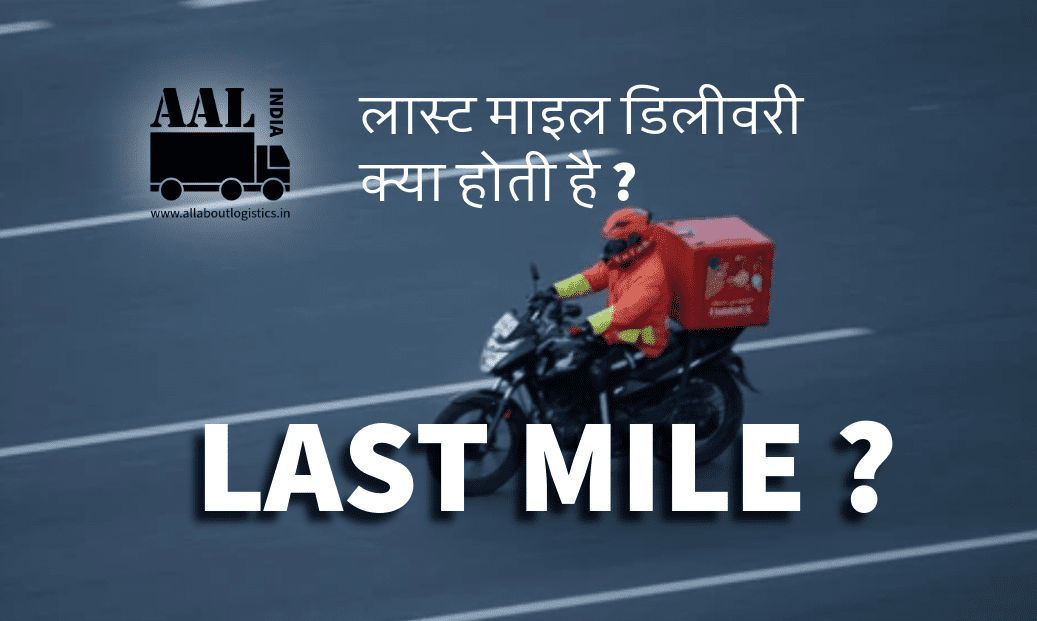
Last mile logistics specifically describes the process and operations involved in transporting goods from the final distribution center or transportation hub directly to the end-user, be it a consumer or a retail outlet. This “final leg” is often considered the face of the supply chain, as it is the segment most visible to end-customers. The main objective is to ensure that packages are delivered as quickly, accurately, and cost-effectively as possible.
लास्ट माइल लॉजिस्टिक्स, वह प्रक्रिया है जिसमें सामान अंतिम वितरण केंद्र से उपभोक्ता या खुदरा विक्रेता तक पहुँचाया जाता है. इसी चरण में उपभोक्ता कंपनी की सेवाओं का अंतिम अनुभव प्राप्त करता है, जिससे ब्रांड की छवि बनती या बिगड़ती है ।
The Steps Involved
1. Order Placement: The last mile process begins when a customer places an order, which gets logged into a central system for tracking and fulfillment.
2. Transport to Local Hub: The product moves from a warehouse or regional distribution center to a nearby hub, preparing for sorting and routing to various delivery addresses.
3. Routing and Assignment: Deliveries are batched, routed, and assigned to drivers or vehicles based on address locations, delivery priorities, and traffic estimations.
4. Scanning and Loading: Each package is scanned for tracking purposes and loaded onto designated vehicles for delivery.
5. Physical Delivery: Packages are hand-delivered to recipients at homes, offices, or pick-up lockers. Proof of delivery is obtained, often via digital signatures or photographs.
6. Tracking and Feedback: Throughout the process, both customers and sellers track shipments, and feedback is often solicited to improve service.
7. ऑर्डर प्रोसेसिंग: उपभोक्ता द्वारा ऑर्डर देने के साथ ही लॉजिस्टिक्स नेटवर्क में अंतिम माइल की प्रक्रिया शुरू होती है ।
8. स्थानीय केंद्र तक ट्रांसपोर्ट: सामान को वेयरहाउस या क्षेत्रीय वितरण केंद्र से नजदीकी लोकल हब तक पहुँचाया जाता है ।
9. रूटिंग और असाइनमेंट: डिलीवरी के लिए रूट निर्धारित करके ड्राइवर या परिवहन साधनों को जिम्मेदारी दी जाती है ।
10. स्कैनिंग और लोडिंग: हर पैकेज को ट्रैक हेतु स्कैन किया जाता है और सही वाहन में लोड किया जाता है ।
11. पहुंच और कन्फर्मेशन: सामान ग्राहक के दरवाजे तक पहुँचाया जाता है और उसकी पुष्टि डिजिटल सिग्नेचर या फोटो आदि से होती है ।
12. ट्रैकिंग एवं प्रतिक्रिया: ग्राहक और कंपनी, दोनों ही डिलीवरी की स्थिति की निगरानी करते हैं और फीडबैक लेते-देते हैं ।
Why is Last Mile Important?
The last mile directly shapes the customer’s perception of a company. Even if the supply chain has functioned perfectly up to this point, a delayed or unsatisfactory last mile experience can result in unhappy customers, affecting brand loyalty and future business.
यह चरण सप्लाई चेन का वह बिंदु है जहां पर ग्राहक का सीधे कंपनी से संपर्क होता है. यदि यहां कोई गड़बड़ी हो, समय पर डिलीवरी न हो या सेवा असंतोषजनक मिले तो इससे ग्राहक अनुभव और ब्रांड की छवि पर सीधा असर पड़ता है ।
• Customer Experience: The last mile is when the customer finally receives the goods, making it the business’s “moment of truth.”
• Cost Implications: Last mile logistics often contribute over half of total shipping costs due to complexities like labor, vehicle maintenance, and failed deliveries.
• Delivery Speed: Consumer demand for faster, even same-day, deliveries puts added pressure on optimization.
• ग्राहक अनुभव: ग्राहक को सामान की डिलीवरी उनके ऑर्डर के अनुसार और समय पर मिले, यही अंतिम उद्देश्य होता है ।
• लागत: लास्ट माइल पर सबसे ज्यादा खर्च आता है, जिसमें वेतन, परिवहन, असफल डिलीवरी और ट्रैफिक आदि शामिल हैं ।
• स्पीड: दिन-प्रतिदिन ग्राहक फास्ट डिलीवरी चाहते हैं, जिससे दबाव और बढ़ जाता है ।
Challenges in Last Mile Logistics
1. High Costs: Urban traffic congestion, last-minute redirection, and failed delivery attempts drive costs up.
2. Complex Urban Environments: Dense populations and limited parking make last mile operations in cities tough.
3. Remote Deliveries: Delivering to rural or hard-to-access areas adds both time and expense.
4. Failed Deliveries: If customers are unavailable, goods may need to be re-routed or re-delivered.
5. Environmental Concerns: Increased vehicle activity generates emissions and congestion.
6. उच्च लागत: ट्रैफिक, रीरूटिंग और असफल डिलीवरी की वजह से खर्च बढ़ते हैं ।
7. शहरी जटिलताएँ: घनी आबादी और पार्किंग की समस्याएँ ।
8. दूरदराज इलाकों में डिलीवरी: ग्रामीण इलाकों में समय और लागत दोनों बढ़ जाते हैं ।
9. असफल डिलीवरी: ग्राहक के अनुपस्थित रहने पर दोबारा डिलीवरी की जरूरत पड़ती है ।
10. पर्यावरणीय प्रभाव: वाहनों की संख्या बढ़ाने से प्रदूषण बढ़ता है ।
Solutions and Innovations
• Route Optimization Software: AI-powered algorithms plan optimal delivery routes, minimizing fuel consumption and delivery times.
• Crowd-Sourced Deliveries: Leveraging gig-economy workers or local couriers for flexible, near-instantaneous delivery fulfillment.
• Electric Vehicles and Drones: Businesses are investing in alternative delivery modes to reduce environmental impact and improve efficiency.
• Parcel Lockers/Click-and-Collect Points: Customers pick up their orders from nearby automated lockers, reducing failed delivery attempts.
• रूट ऑप्टिमाइजेशन सॉफ्टवेयर: आधुनिक एल्गोरिद्म की मदद से सबसे बेहतर रूट चुने जाते हैं, जिससे समय और ईंधन दोनों बचते हैं ।
• क्राउड-सोर्सिंग डिलीवरी: स्थानीय नागरिकों, पार्ट-टाइम डिलीवरी पार्टनर आदि का सहारा लिया जाता है ।
• इलेक्ट्रिक वाहन और ड्रोन: कंपनियाँ प्रदूषण कम करने और दक्षता बढ़ाने के लिए वैकल्पिक डिलीवरी साधनों में निवेश कर रही हैं ।
• पार्सल लॉकर/क्लिक-एंड-कलेक्ट: ग्राहक पास के ऑटोमेटेड लॉकर से सामान खुद ले सकते हैं, जिससे फेल्ड डिलीवरी कम होती है ।
Last Mile Logistics in E-commerce
The growth of e-commerce has dramatically elevated the significance of last mile delivery. Giants like Amazon, Flipkart, and many newer digital retailers focus large investments on mastering this phase to offer fast, reliable, and traceable deliveries to customers. Advanced tracking, predictive delivery windows, real-time notifications, and easy returns are now expected standards.
ई-कॉमर्स ने लास्ट माइल डिलीवरी को अत्यधिक जटिल और प्रतिस्पर्धी बना दिया है. कंपनियाँ डिलीवरी स्पीड, ट्रैकिंग, और कस्टमर सपोर्ट में लगातार नवाचार ला रही हैं. ग्राहक उम्मीद करते हैं कि उनका सामान जल्दी, ट्रैक कर सकने योग्य और बिना बाधा के पहुँचे ।
Case Studies
1. Amazon’s Last Mile Strategy: Through its own delivery network, Amazon Flex, and investments in automation and infrastructure, Amazon has reduced last mile costs while maintaining speed.
2. Indian Context: In India, the proliferation of direct-to-consumer (D2C) brands and network expansion in tier 2 and 3 cities have driven logistics firms to develop customized last mile solutions, including the adoption of electric vehicles and hyperlocal delivery networks.
3. अमेज़न: अपनी डिलीवरी नेटवर्क और तकनीकी नवाचार के बदौलत अमेज़न ने लागत घटाई है और स्पीड बढ़ाई है ।
4. भारतीय परिदृश्य: भारत में D2C ब्रांड्स और टियर 2-3 शहरों के विस्तार ने लॉजिस्टिक्स को इनोवेटिव बनाते हुए इलेक्ट्रिक वाहनों और माइक्रो-फुलफिलमेंट नेटवर्क की ओर बढ़ाया है ।
Future of Last Mile Logistics
Last mile logistics will continue to evolve with growing urbanization and technological advances. Upcoming trends include autonomous vehicles, AI-driven demand prediction, and sustainable delivery models to cope with both environmental concerns and rising consumer demands.
शहरीकरण, तकनीकी विकास और पर्यावरणीय चेतना के बढ़ने से लास्ट माइल लॉजिस्टिक्स में आने वाले समय में बड़े बदलाव देखने को मिलेंगे, जैसे कि ऑटोनोमस वाहन, AI आधारित डिमांड प्रेडिक्शन, और सस्टेनेबल डिलीवरी मॉडल ।
Interview Questions and Answers: Last Mile Logistics
1. What is meant by last mile in logistics?
• The last mile refers to the final phase of delivery where goods are transported from a hub to the customer’s location.
2. Why is last mile delivery considered costly?
• It involves complex routing in cities, high labor demands, and frequent delivery failures which push up costs.
3. What are some challenges faced in last mile delivery?
• Urban congestion, remote destinations, high customer expectations, and environmental concerns.
4. How do companies optimize last mile deliveries?
• By using advanced route planning, crowd-sourced drivers, and innovations like electric vehicles.
5. How does last mile delivery affect customer satisfaction?
• It’s the most visible part of shipping, so delays or mistakes directly impact customer experience.
6. What role does technology play in last mile delivery?
• Technology helps with real-time tracking, route optimization, and proof of delivery.
7. What is the importance of order tracking in last mile logistics?
• Tracking enhances transparency and allows customers to monitor their shipment, reducing anxiety.
8. What are click-and-collect services?
• These allow customers to pick up parcels from secure lockers or store counters, minimizing failed deliveries.
9. How does last mile delivery differ in rural vs urban areas?
• Urban areas face congestion and parking issues; rural areas face long distances and fewer delivery points.
10. What trends are shaping the future of last mile logistics?
• Autonomous vehicles, drones, AI-based planning, and sustainable delivery solutions.
1. लॉजिस्टिक्स में लास्ट माइल का क्या मतलब है?
• अंतिम डिलीवरी चरण जिसमें डिलीवरी हब से सामान ग्राहक के पास पहुँचता है ।
2. लास्ट माइल डिलीवरी को महंगा क्यों माना जाता है?
• इसमें शहरों में जटिल रूटिंग, ज्यादा मैनपावर और बार-बार डिलीवरी फेल्योर जैसी समस्याएँ होती हैं ।
3. लास्ट माइल डिलीवरी में मुख्य चुनौतियाँ क्या हैं?
• ट्रैफिक, दूरस्थ स्थानों तक पहुंच, उच्च ग्राहक अपेक्षा और पर्यावरणीय चिंता ।
4. कंपनियाँ लास्ट माइल डिलीवरी कैसे ऑप्टिमाइज़ करती हैं?
• उन्नत रूट प्लानिंग, क्राउड-सोर्स्ड ड्राइवर और इलेक्ट्रिक वाहनों के माध्यम से ।
5. ग्राहक संतुष्टि पर इसका क्या असर होता है?
• यह सबसे सीधा चरण होता है, अगर डिलीवरी सही न हो तो ग्राहक नाखुश हो जाते हैं ।
6. तकनीक की क्या भूमिका है?
• रियल-टाइम ट्रैकिंग, रूट ऑप्टिमाइजेशन और डिलीवरी की पुष्टि तकनीक से होती है ।
7. लास्ट माइल लॉजिस्टिक्स में ऑर्डर ट्रैकिंग क्यों जरूरी है?
• पारदर्शिता बढ़ाती है और ग्राहक को डिलीवरी की जानकारी मिलती है ।
8. क्लिक-एंड-कलेक्ट सेवाएँ क्या हैं?
• ग्राहक सामान को पार्सल लॉकर या स्टोर से खुद ले सकते हैं, जिससे फेल्ड डिलीवरी कम होती है ।
9. शहरी और ग्रामीण क्षेत्रों में क्या फर्क है?
• शहरी क्षेत्र में ट्रैफिक और पार्किंग समस्याएँ, ग्रामीण क्षेत्रों में दूरी ज्यादा होती है ।
10. भविष्य में कौनसे ट्रेंड्स हैं?
• ऑटोनोमस वाहन, ड्रोन, AI आधारित प्लानिंग और सस्टेनेबल डिलीवरी मॉडल ।
Feedback & Comments:
If you have any questions about this article or would like to share your thoughts, please leave a comment in the section below.
Disclaimer:
This article has been prepared after thorough research and study. We strive for accuracy in all our content. However, if you notice any errors, please help us improve them by pointing them out in the comment box.
3 thoughts on “Last Mile in Logistics आख़िरी माइल (लास्ट माइल डिलीवरी) क्या होता है ?”